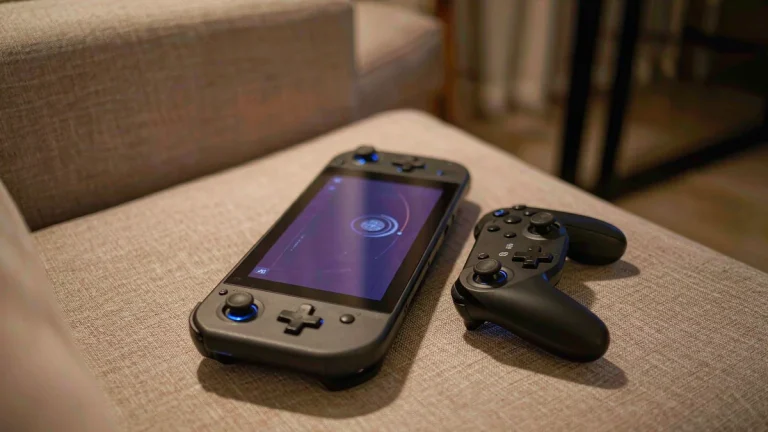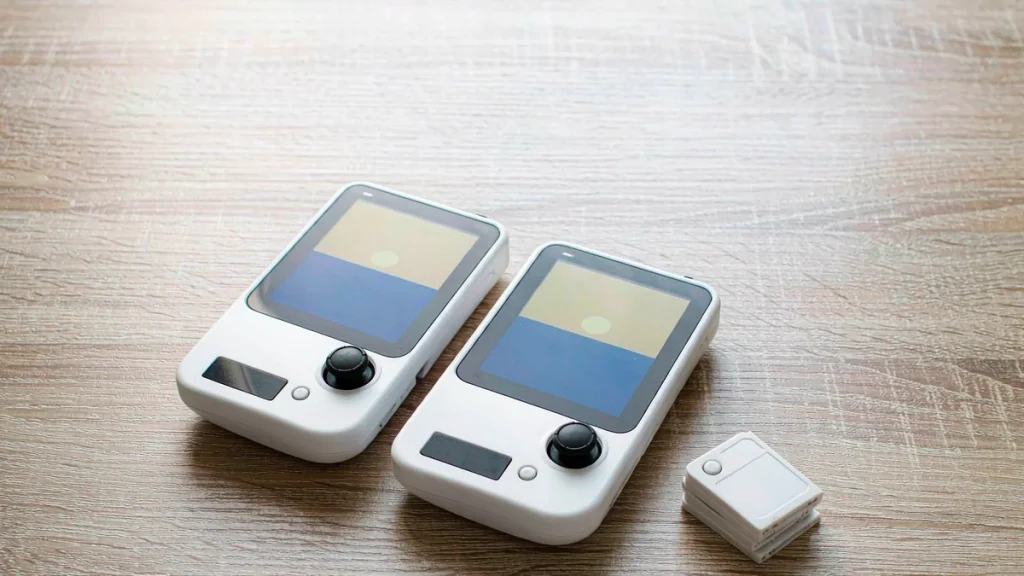
Switch 2 hardware is the same machine everywhere it ships. The “Japan version” question that floats around forums is almost never about the console itself. It is about the eShop region attached to your account, the prices in that store, and a handful of Japan-only listings. Once you separate the hardware from the storefront, the whole panic about region locks mostly disappears.
What is actually different
The console plays games from any region. Game cards are not region-locked, so a Japanese cartridge runs on a US console and vice versa. Where the regions diverge is digital: the eShop you see is tied to your Nintendo Account’s country, and that determines which titles you can buy and at what price.
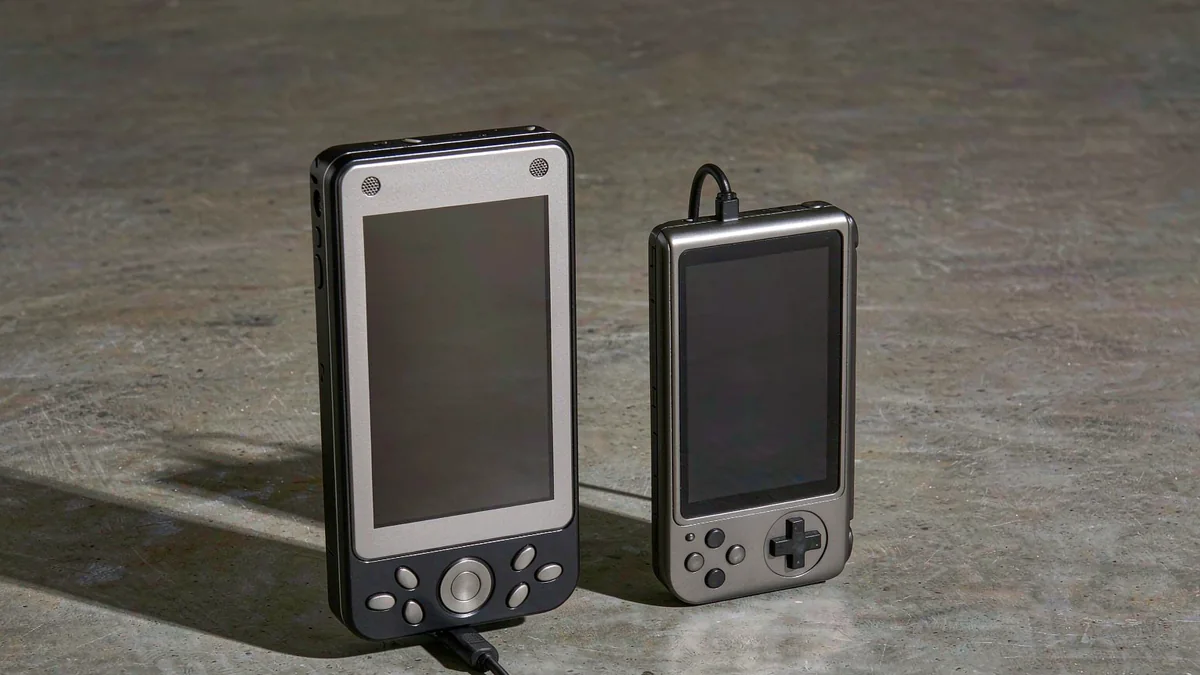
The hardware is physically identical, down to the power plug. Switch 2 charges over USB-C, the same standard used worldwide, so a Japanese console works on US outlets with the cable you already own. There is no voltage converter to buy and no region-specific adapter to hunt for.
| Factor | Japan region | US / International |
|---|---|---|
| Console hardware | Identical | Identical |
| Game cards (physical) | Plays on any console | Plays on any console |
| eShop catalog | JP listings, some JP-only | Global listings |
| First-party pricing | Often lower in JPY | USD list price |
| Digital purchases | Tied to buying account | Tied to buying account |
| On-cartridge language | Usually includes English | English |
The table is the whole story. Physical media is borderless. Digital media is not. If you only ever buy game cards, the region of your console is irrelevant. If you buy digitally, your account region is what matters, and that is a login setting, not a hardware feature.
Digital vs physical, the part people miss
A Japanese digital game purchased on a JP account stays on that account. You cannot move it to your US library. So the “Japan version” decision for digital buyers is really a question of which account you want tied to your purchases.
Physical buyers dodge this entirely. Buy a Japanese game card, pop it in, play in English if the cart includes the language, and most first-party Nintendo titles do. The only thing you lose is the digital convenience of re-downloading from your home library.
Pre-orders and bundles are where the regions genuinely diverge. Japan sometimes opens pre-orders earlier and offers console-and-game bundles the US store never lists. If a specific edition matters to you, the JP eShop is where it appears first, not a sign of different hardware.
My rule: if you want a specific Japan-only eShop title, make the JP account and buy it there. If you just want to play Japanese games, import the card and skip the account hassle. The card is the simpler path nine times out of ten.
DLC and game sharing across accounts
DLC is region-locked to the base game. A Japan-region add-on only attaches to a Japan-region copy of the same title. If you bought the base game on your US account, JP DLC will not link to it. Keep the base game and its expansions on one account or you pay twice for nothing.
Game sharing on one console works across regions. The primary account on the machine can share its library with other local users. So a JP-purchased game is playable by everyone on that Switch, even if their own accounts are US. The restriction is only on the buying account, not on who can play afterward.
This is why a household with one Japan-region buyer still works smoothly. The person who owns the JP account buys the game, sets the console as their primary, and the rest of the family plays it from their own profiles. Only online entitlement and re-downloads are tied to the buyer.
Language and the “Japan-only” fear
Most major Nintendo releases ship with multiple language options on the cartridge, English included. A Japanese game card is not a Japanese-only experience. The titles that are genuinely Japan-exclusive are usually smaller eShop titles or timed demos, not the games people actually worry about.
The real “exclusive” value is earlier access. Japan sometimes gets a digital release or demo weeks before the West. If you follow a specific series closely, that window is the only reason the region dance is worth it. The games themselves are the same discs and cards.
Some buyers assume a Japan console comes with a different operating system or a region-locked menu. It does not. The system software is the same worldwide. The only thing your region changes is which eShop you are pointed at when you open the store. Nothing else under the hood differs.
Price and the weak yen
The reason JP pricing keeps coming up is the exchange rate. When the yen is weak against the dollar, a Japanese list price converts to noticeably less than the US price on the same game. Savvy buyers have used a JP account and yen-denominated codes to save on big first-party releases. The saving is real, but it swings with the currency.
The catch is always the code markup. A reseller that sells JP eShop codes in dollars adds a spread on top of the exchange rate. Some weeks the saving survives that spread. Some weeks it does not. The math is worth doing per game, not assumed.
So who should care
A US buyer who mostly plays global releases gets everything from the US eShop and never needs to think about this. The Japan region only matters if you have a concrete reason: a JP-exclusive eShop title, a price gap worth the payment friction, or early access to a series you follow.
I would not buy hardware based on region at all. Buy the console wherever is convenient, keep your US account primary, and spin up a Japan-region account only when a specific purchase justifies it. That keeps your main library clean and gives you the door without the commitment.
The used market adds one more wrinkle. Japanese game cards, being region-free, show up cheap on resale sites, and a used JP cart plays exactly like a used US one. If you are patient, the physical route often beats the digital currency dance entirely. Just confirm the cart includes English before you buy.
The fear that drives these questions is mostly outdated. Older consoles had real regional locks and voltage surprises. Switch 2 has neither. The region you choose changes your store, not your machine, and that is a setting you control from the couch.
And if you only play global releases, none of this region talk applies to you at all. But if a specific JP title calls, the door is cheap to open with a second account. So buy the console anywhere, keep your US login primary, and add Japan only when a purchase actually demands it.
The warranty question is the only hardware caveat worth a line. A Japanese console carries a Japan-warranty, which can mean a return across the ocean if something fails. Buying locally avoids that paperwork. Since the machines are identical, there is no reason to import the plastic just to save a few dollars on a game.
None of this requires buying a Japanese console. The entire region advantage is reachable through a free account and a few dollar-denominated codes. Anyone telling you to import the hardware for “exclusive games” is selling the markup, not the facts.
Pricing discipline helps here too. Before you set up a second storefront for one game, it is worth the same skepticism you would apply to any recurring cost. I wrote how to find a free alternative to paid software from that angle, and the same “is this purchase actually worth it” check applies to a region account you only use once.
Sources: regional and account guidance at Nintendo’s official support site, and store pricing details on the Nintendo Account pages.